A working air conditioner is one of those home systems you rarely think about until it stops doing its job. In Wood River, IL, that moment can come fast, especially when humidity spikes and the air feels heavy even with the windows closed. One day the AC is running, the next day it is blowing warm air, tripping a breaker, or cycling on and off like it is unsure of itself. Then comes the real question, should you repair it, or is it time to replace?
The honest answer is that both can make sense. The decision depends on the exact failure, how your unit has been behaving, and what you would likely pay to keep it going. When people ask about AC Repair in Wood River IL, they usually want a straight answer and a plan. Here is how to get that plan.
The real question: what’s failing, and how bad is it?
Most homeowners picture an AC system as a single “thing,” but technically it is a collection of components that can fail independently. Sometimes the system can be repaired cheaply and you are right back to normal cooling. Other times the repair is just one step in a chain reaction of worn parts.
When you call for HVAC repair in Wood River IL, a good HVAC contractor will not start by guessing. They will want to understand the symptoms. Is the blower running but the air is warm? Is the unit short-cycling? Are you seeing ice on the coils? Is there a burning smell, unusually loud operation, or a refrigerant leak suspected by the tech?
From experience, these patterns matter because they often point to different costs and different levels of risk:
- If the blower runs and air is lukewarm, the system might have a refrigerant issue, a compressor problem, a failed capacitor, or a metering device issue. Some of these are repairable, some can get expensive quickly. If the system trips breakers or shuts down repeatedly, it can be electrical, thermal overload, or a mechanical load that is pushing components past their limits. If the unit is icing up, it can be airflow or refrigerant-related. Low airflow can be caused by a failing blower motor, a clogged filter, or duct issues. Refrigerant problems can also lead to freezing.
The “repair versus replace” decision gets easier when you separate what is broken from what is simply worn out. A minor failure on an otherwise healthy, newer unit is a good repair candidate. Multiple failures or repeated symptoms on an older unit often point toward replacement being the better value.
Age matters, but it is not the only factor
People often ask about replacement as if there is a single number, like “if it’s over 10 years it should be replaced.” That can be directionally useful, but it is not a rule. A well-maintained system can last longer. A system that ran through years of poor airflow, neglected filters, and low refrigerant can reach the end sooner.
In Wood River, IL, units typically run hard in summer and also deal with the swings of Midwestern weather. If your AC has been struggling for multiple seasons, you have probably already seen the warning signs: longer run times, higher humidity indoors, uneven rooms, or a unit that seems to “work” but never really reaches the thermostat setting.
Here is the practical way I frame age in the field. If the unit is relatively young and the failure is specific and fixable, repair usually makes sense. If the unit is old enough that you already paid for major parts before, the next repair may be expensive enough that you are paying again for a system that will likely need more.
The most common repair items, and what they usually mean for your decision
A lot of repairs come down to a few repeat offenders. Capacitors, contactors, and electrical components are common service calls, especially when summer heat and power surges take their toll. Sometimes those repairs restore comfort immediately and you can go another few seasons without drama.
Refrigerant-related issues are the other big category. Repairs involving refrigerant can be tricky because you have to find the reason the system lost charge, not just “put more back.” If the leak is small and localized, repair can be straightforward. If the leak is in an area that is hard to access, or if the system has a pattern of repeated loss, replacement becomes more attractive because the system is operating outside its normal design range.
Then there is the compressor. When the compressor is truly failing, replacement often wins for simple financial reasons: the compressor is not a small fix, and a system with compressor failure has proven it has reached a higher-risk zone. That does not mean every compressor-related repair is a lost cause, but it is the moment where many homeowners are ready to talk about replacement value rather than one more patch.
Repair can be the better move when the system is otherwise healthy
Here are the situations where repair usually makes sense in a real, homeowner-friendly way. The key is that the repair addresses the root cause and the rest of the equipment does not show signs of chronic problems.
If your unit is fairly new or has been maintained well, and you are facing a single failure like a bad capacitor or contactor, repairing it can be a smart call. If the coil is clean and you are not dealing with persistent icing or airflow problems, a targeted repair can get you through the rest of the season without taking a big financial hit.
A common example I see: the system stops cooling, the thermostat is calling, the outdoor fan runs, and the blower inside runs, but the compressor will not engage. In many of these cases, the problem is electrical. A technician checks pressures, verifies the control sequence, and isolates the component. When it is a straightforward electrical fault, replacement can wait.
Another example is when a unit starts freezing because of airflow restriction. A new filter plus a blower motor or a clear-up of airflow issues can restore normal operation. If the system is otherwise sound, that is a repair win.
Replacement often wins when you are buying time that you keep needing
Replacement starts to make more sense when repairs are stacking up or when the cost of repair approaches the cost of replacement. There are also cases where repeated repairs are “successful,” but comfort never fully returns. That can mean the system is aging out of efficiency and performance.
If your system requires multiple major repairs in a short period, you are effectively paying for pieces of a failing machine. Each fix returns function for a while, but it does not reset the wear that is already happening in the system’s parts.
Also consider the comfort side. If you are dealing with persistent humidity, uneven temperatures across rooms, or a constant battle with the thermostat, the unit may not have the capacity or efficiency it once did. Repairs can sometimes reduce symptoms, but they rarely undo the underlying performance decline of older equipment.
Finally, if the unit is frequently cycling, you may be looking at a system that is struggling to maintain stable temperatures. Cycling can be caused by many things, including thermostat issues, refrigerant balance, and component wear. A technician can diagnose it, but if the diagnosis points to worn-out equipment throughout, replacement is often the cleaner solution.
A practical cost mindset: compare repair cost to “chance of next repair”
Homeowners tend to compare only the price of the current repair to the cost of a new unit. That comparison can be misleading. The better comparison is the cost of the repair plus the likelihood you will need additional work before the new system would have settled into long-term performance.
A $900 repair on a two-year-old system can be a bargain if it solves the problem and the system stays healthy. A $900 repair on an older system that already had an evaporator coil replaced last year can be a temporary fix that is likely followed by another expensive failure.
When an HVAC contractor in Wood River IL talks replacement, they should also talk about what your repair likely buys you in time. A good technician can often estimate risk based on what they see. They can also explain what else is likely wearing out when the current part fails. That matters because it turns a vague decision into a realistic plan.
Maintenance is the quiet factor that changes the answer
The repair-versus-replace decision is not just about what happened this week. It is about how the system has been treated and what it has been allowed to endure.
AC maintenance in Wood River IL is not a glamorous topic, but it directly affects reliability. A clean coil and correct airflow help the system run closer to its design. Filters that are changed on time protect the evaporator and reduce strain on the blower. Checking drainage matters because trapped moisture can cause additional issues around the indoor coil.
Here is a quick, grounded way to think about it. If your system has always run with dirty filters and you routinely see frozen coils, you are likely forcing the unit to work outside normal conditions. That raises wear on components and increases the odds that refrigerant performance will degrade faster than expected. When it finally needs service, the “repair only” approach becomes riskier.
If you do not have a maintenance history, that does not automatically mean replacement. It just means a repair decision should be made with clear eyes. A technician might recommend a maintenance plan even if you repair now, because you want to give the repaired system a genuine chance to stabilize.
When it’s time to call: signs you should not ignore
Most failures do not announce themselves with a dramatic event. They start small, then the system either refuses to cool or starts creating other problems.
If you are seeing any of the following, it is worth treating it as a priority rather than waiting until the hottest week hits your calendar:
- The unit runs but the house does not cool, or it cools briefly and then warms back up. The outdoor unit hums or tries to start but does not engage reliably. You see ice on the indoor coil or notice freezing even when the thermostat is set correctly. The system smells unpleasant when it starts, or you notice burning or electrical odors. Your energy bills jump noticeably without an obvious reason, and the system seems to run longer than it used to.
This is where AC Repair in Wood River IL becomes more than a service call. It becomes a chance to prevent secondary damage. For example, low airflow or a refrigerant imbalance can create icing conditions. If ice melts and water gets into places it should not, you can end up with indoor problems beyond the AC itself.
What to ask your technician so you get a real answer
Some homeowners get stuck in a “quote conversation,” where the discussion is only about price. Price matters, but you also need clarity about what failed, what it cost to fix, and what the likely next steps are if you choose to repair.
When you talk with a reputable HVAC contractor in Wood River IL, you should feel comfortable asking questions that focus on diagnosis and risk. You are not being difficult. You are trying to avoid paying for a repair that does not actually address the root problem.
Here are five questions that usually lead to the kind of clarity that helps you decide repair or replace:
- What exactly failed, and what evidence supports that diagnosis? Is the issue a one-part failure or are you seeing signs of broader wear? What measurements do you have for airflow and refrigerant performance? If we repair now, what is the most likely next service issue, and when? Based on my unit’s age and condition, what would you recommend for value, repair or replacement, and why?
If a contractor cannot explain the diagnosis in plain language, or if they skip measurements and rely only on guesswork, you may want to get a second opinion.
Replacement planning: don’t just swap equipment, size and match it
Replacement is not as simple as choosing the “same thing but newer.” A well-installed system is about matching capacity to your home and ensuring the system can move air properly. In other words, replacement is both equipment and installation quality.
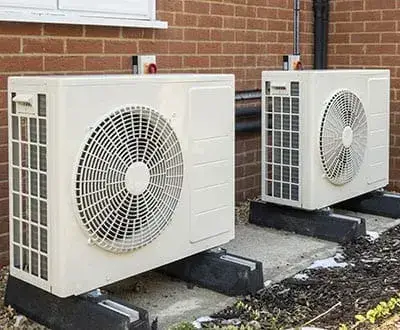
If your current AC seems undersized or struggles to cool certain rooms, installing a new unit without addressing airflow and duct issues can lead to similar comfort complaints. Sometimes the problem is the AC. Sometimes the problem is the system it is pushing air through.
Good AC installation in Wood River should include careful attention to airflow, electrical components, refrigerant lines, and thermostat settings. It should also involve sizing. If a unit is oversized, it can cool too quickly and leave humidity behind, which can make the house feel damp even when temperatures look acceptable. If it is undersized, it will run constantly and may never reach a stable indoor temperature.
This is also where energy efficiency becomes relevant. Modern systems often deliver better performance than older units, but the savings depend on correct sizing and proper installation. A high-efficiency system installed poorly can underperform, and a repair may have been a better move if the underlying issue was minor.
A quick look at budgeting without getting trapped
Homeowners often feel pressured during the repair-versus-replace conversation. The goal should be clarity, not urgency for its own sake.
A repair option can be reasonable even if replacement is ultimately the smarter long-term decision. For instance, if you are staring at a compressor-related situation but the system is otherwise clean and has only one failing component, you might decide to repair now and plan replacement for next season. That plan requires honest expectations: you should know the risk profile and what symptoms would trigger another service call.
On the other hand, if the system has multiple worn parts or has already needed major component work, replacement can reduce the “paperwork churn” of repeated repairs. You pay more upfront, but you stop buying individual failures.
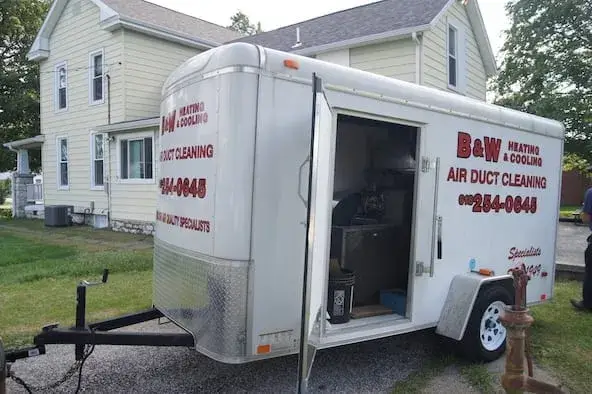
If you are considering replacement and want a service partner that can handle both repair and installation, B & W Heating & Cooling is one example of a local name people trust in the area for HVAC support. The most important thing is not the brand alone, it is the thoroughness of the diagnosis and the quality of the install plan.
Common edge cases that change the decision
Real homes do not always fit textbook categories. A few edge cases come up often enough that I like to highlight them.
First, there are systems that appear to fail, but the real issue is the thermostat or low voltage controls. People assume the AC is broken, but the system is not receiving the correct signals. Repair is often quick and inexpensive if the controls are the cause, and replacement would be an overreaction.
Second, duct and airflow issues can mimic AC failures. If the evaporator coil is freezing because air is not moving correctly, you might chase refrigerant problems and spend money without fixing the root cause. In those cases, improving airflow, checking duct leaks or restrictions, and addressing blower function can make the AC viable again.
Third, there are refrigerant issues that are not simple leaks. Sometimes the system loses charge slowly over time due to a minor leak, or it has performance problems that show up as inconsistent cooling. Depending on how the system responds and how the tech measures the conditions, repair can still make sense. But if the refrigerant problem keeps returning, replacement may reduce ongoing labor and risk.
A simple decision framework you can use at home
If you want a quick way to organize your thoughts when you are sitting with a technician and deciding what to do next, consider these factors together, not separately:
1) How old is the unit and what have you already paid for repairs? 2) Is the failure one clear part, or are multiple components showing wear? 3) Do the system measurements suggest it is close to design operation, or is it already struggling to meet performance targets? 4) What is the likely likelihood of another major breakdown within the next season or two? 5) If you replace, are you likely to get a system that matches your home’s needs, including proper sizing and installation quality?
When repairs keep happening, the math usually shifts. When the system is healthy aside from a single failure, repairs often stay in the lead. It is not dramatic, it is arithmetic plus judgment.
What I would do first if you want to maximize your odds
If you want the safest path that does not waste money, start with a proper diagnostic service. That means you are not deciding based on a guess or a symptom alone. You want measurements and a clear explanation of what caused the problem and what it would take to fix it correctly.
If the technician finds a straightforward issue like an electrical component failure or a fixable airflow restriction, repair is a strong option. If the technician finds that the system has multiple failing components or that the unit cannot maintain performance reliably, replacement becomes a more practical way to stop the cycle.
Here is a short “sanity checklist” you can use while you are scheduling your service call. It helps you avoid vague advice and protects your budget:
- Ask for the diagnosis and what measurements the tech used. Request an itemized repair estimate or written replacement quote. Confirm whether airflow and refrigerant performance were checked. Ask what the repair would likely solve and what it would not. Get clarity on warranty coverage for parts and labor, if offered.
That checklist keeps the conversation grounded. It also gives you the information you need to decide with confidence.
Final thought: you are choosing comfort, reliability, and control
Repair versus replacement is not just a financial decision. It is a decision about how you want your home to feel during the weeks when the humidity sticks to everything and the thermostat seems like it is arguing with the weather.
If your AC system can be repaired and returned to stable operation, that is often the smart, cost-effective AC Repair Wood River IL B & W Heating & Cooling move. If the unit is aging out and the repairs are stacking, replacement can be the calmer option that gives you a more predictable summer.
The best service calls in this category feel the same. They are thoughtful, they respect your budget, and they tell you what you are really buying when you spend the money. Whether you choose HVAC repair in Wood River IL or AC installation in Wood River, the decision should come from a diagnosis you understand, not pressure you feel.
If you are currently dealing with an AC problem in the Wood River area, take the time to get a thorough inspection. Then you can decide. Your comfort deserves that much.
B & W Heating & Cooling
3925 Blackburn Rd, Edwardsville, IL 62025
+1 (618) 254-0645
[email protected]
Website: https://www.bwheatcool.com/